
TMJ Treatment Prosper
Finally, a Solution to Jaw Pain

Do you often suffer from jaw pain? This is a big indication that you might have TMJ disorder. Instead of simply putting up with the discomfort, we invite you to visit our Prosper dental team for TMJ treatment. After we learn about your symptoms and perform an evaluation, we can advise you on your next steps. We may recommend that you start using an occlusal splint. Would you like to learn more about how we address TMJ problems? Continue reading below, or contact our office directly to request a consultation.
Why Choose Prosper Dental Health for TMJ Treatment?
- Non-Invasive Therapy from a Skilled Dental Team
- Effective, Custom Occlusal Splints Provide Pain Relief
- Advanced Technology for Precise Diagnosis & Treatment
What Is TMJ Disorder?
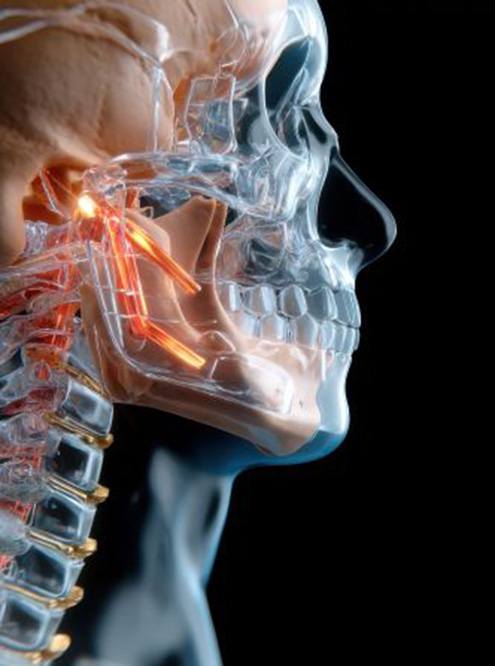
Your temporomandibular joints (TMJs) are located on each side of your head, just in front of your ears. They control movements of your lower jaw. These joints are very complex and play a major role in your facial musculoskeletal system. When they become damaged or inflamed, symptoms of TMJ disorder (TMD) can start to develop. TMD can have a range of different causes, including stress, injury, a misaligned bite, teeth grinding, and more.
Symptoms of TMJ Disorder

Jaw pain is just one potential symptom of TMJ disorder. Other indications that you might have this condition include:
- Limited jaw mobility or the sensation of lockjaw
- Clicking and popping sensations when you open and close your mouth
- Pain and tenderness in and around your jaw
- Pain in your back, neck, and shoulders
- Headaches
- Difficulty biting and chewing
- Changes in the way your upper and lower teeth fit together
- Earaches or tinnitus (ringing in the ears)
Types of TMJ Treatment

If you believe you have TMD, you can get started on the path to relief by visiting us for a consultation. We will examine your mouth and ask about your symptoms. Based on our evaluation, we may recommend that you start using certain home remedies, such as mouth exercises and dietary modifications. We are also likely to suggest that you start using a custom occlusal splint.
Occlusal Splint

An occlusal splint resembles a mouthguard that you would wear for sports. However, it serves a different purpose. Its job is to place a protective barrier between the teeth during sleep in order to prevent teeth grinding. It can also slightly reposition the lower jaw. This promotes muscle relaxation and can do much to provide relief from ongoing TMD symptoms.
TMJ Treatment FAQs
Can TMJ Be Cured Permanently?
Depending on the severity of your condition, such as if you’re experiencing a prolonged period of heightened stress, there’s a chance that your TMJ symptoms might eventually resolved. However, in many cases, treatment is required to reduce symptoms and restore your oral and overall health.
Some provider offer temporary solutions, such as BOTOX or using a TENS machine for short-term relief. But our team in Prosper provides a longer-term solution with occlusal splints. These oral devices help keep your jaw in its proper position while you sleep to reduce your TMD symptoms.
How Long Does It Take for an Occlusal Splint to Work?
Are you wondering how long it will be before you see changes from your TMJ treatment? Occlusal splints must be worn nightly to be effective, and you might notice your symptoms diminish relatively quickly. With that said, they don’t usually all disappear at once. Instead, most patients notice a gradual reduction in the frequency and severity of their symptoms.
Many people experience noticeable improvements within 6 weeks, though full relief can take 6 months or longer.
Is TMJ Treatment Expensive?
It’s natural to wonder what your TMJ treatment might cost, but our team won’t be able to provide an accurate estimate until you’ve had your initial consultation. During this visit, we’ll examine your teeth, gums, jaw, and bite alignment, and discuss your symptoms to help determine the severity of your condition.
You might not pay the same rate as someone else because it depends on factors unique to your circumstances. For instance, those with more severe jaw misalignments might require a longer treatment timeline, which can increase the total amount due. You might feel tempted to avoid addressing your TMJ concerns to reduce out-of-pocket expenses, but our team believes that the pain relief it brings you is priceless!
Does Insurance Cover TMJ Treatment?
Your TMJ, or temporomandibular joints, are not necessarily specifically related to dental concerns and is sometimes considered a medical condition. This leads many patients to wonder whether their dental or health insurance might help cover the cost of treating their TMD.
However, the coverage for this service can vary significantly based on your plan. Some policies include this treatment, while others have specific clauses that exclude it. Others might only cover specific services, like surgical procedures or providing custom-fitted oral appliances, such as an occlusal splint. It’s worth checking your policy to determine whether TMJ concerns are covered, and if so, in what capacity.